Drought-Resistant Landscaping Tips for North County San Diego
North County San Diego homeowners know that beautiful landscapes and water conservation often need to go hand in hand. With long, dry summers, rising water costs, and ongoing concerns about drought conditions, creating an attractive yard that thrives with less water has become a priority for many property owners.
The good news is that drought-tolerant landscaping does not mean sacrificing curb appeal. With the right soil, plant selection, and irrigation strategies, homeowners can create vibrant outdoor spaces that require less water, less maintenance, and fewer resources throughout the year.
Whether you are planning a complete landscape renovation or simply looking to improve your existing yard, these water-saving garden tips can help you build a healthier, more sustainable landscape for North County San Diego's climate.
Start with Healthy Soil
One of the biggest mistakes homeowners make when trying to conserve water is focusing only on plants while overlooking the soil beneath them.
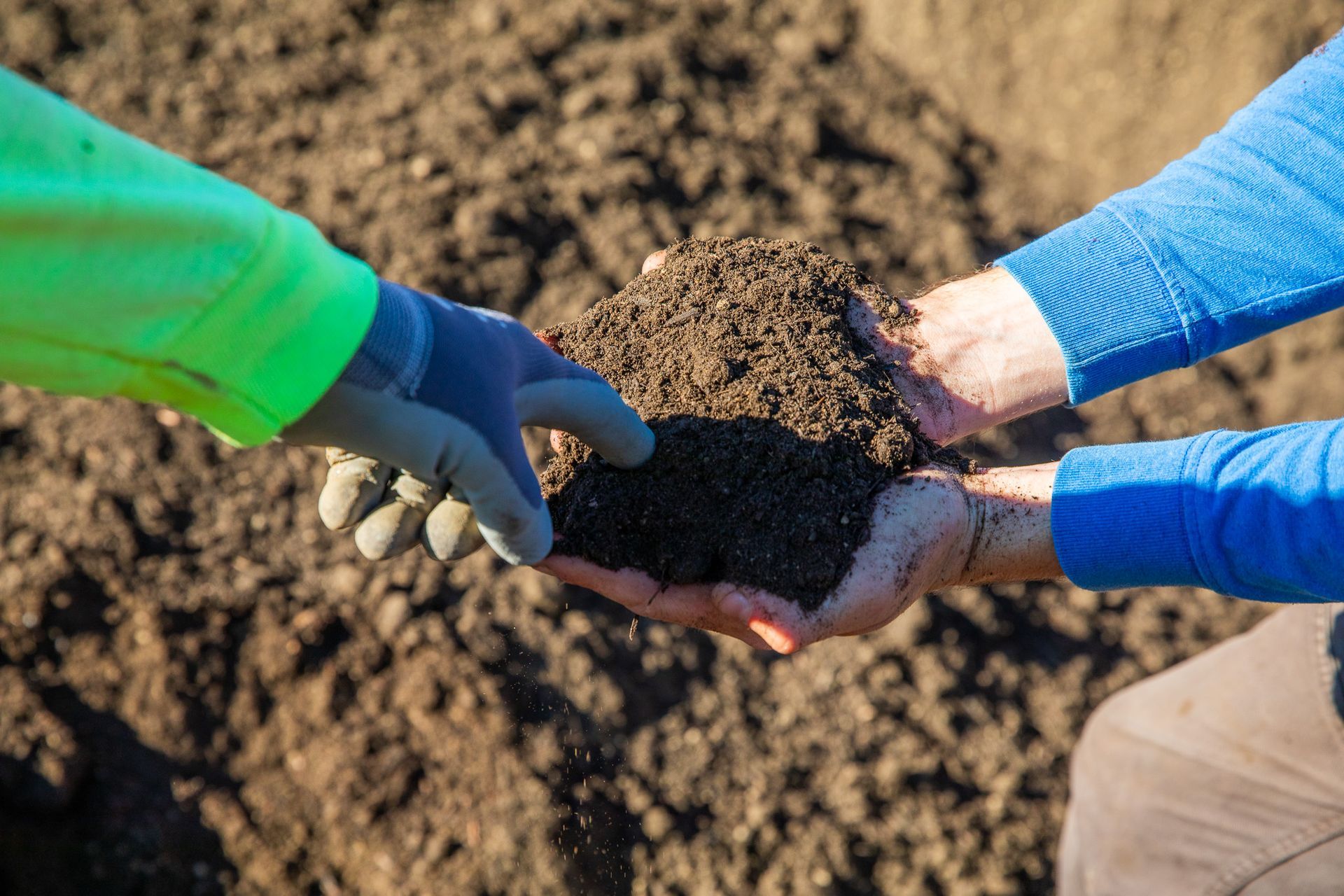
Healthy soil acts like a sponge, absorbing and holding moisture that plants can access between watering cycles. Poor-quality soil, on the other hand, allows water to run off quickly or evaporate before roots can benefit from it.
Improving your soil is one of the most effective drought-tolerant landscaping strategies available.
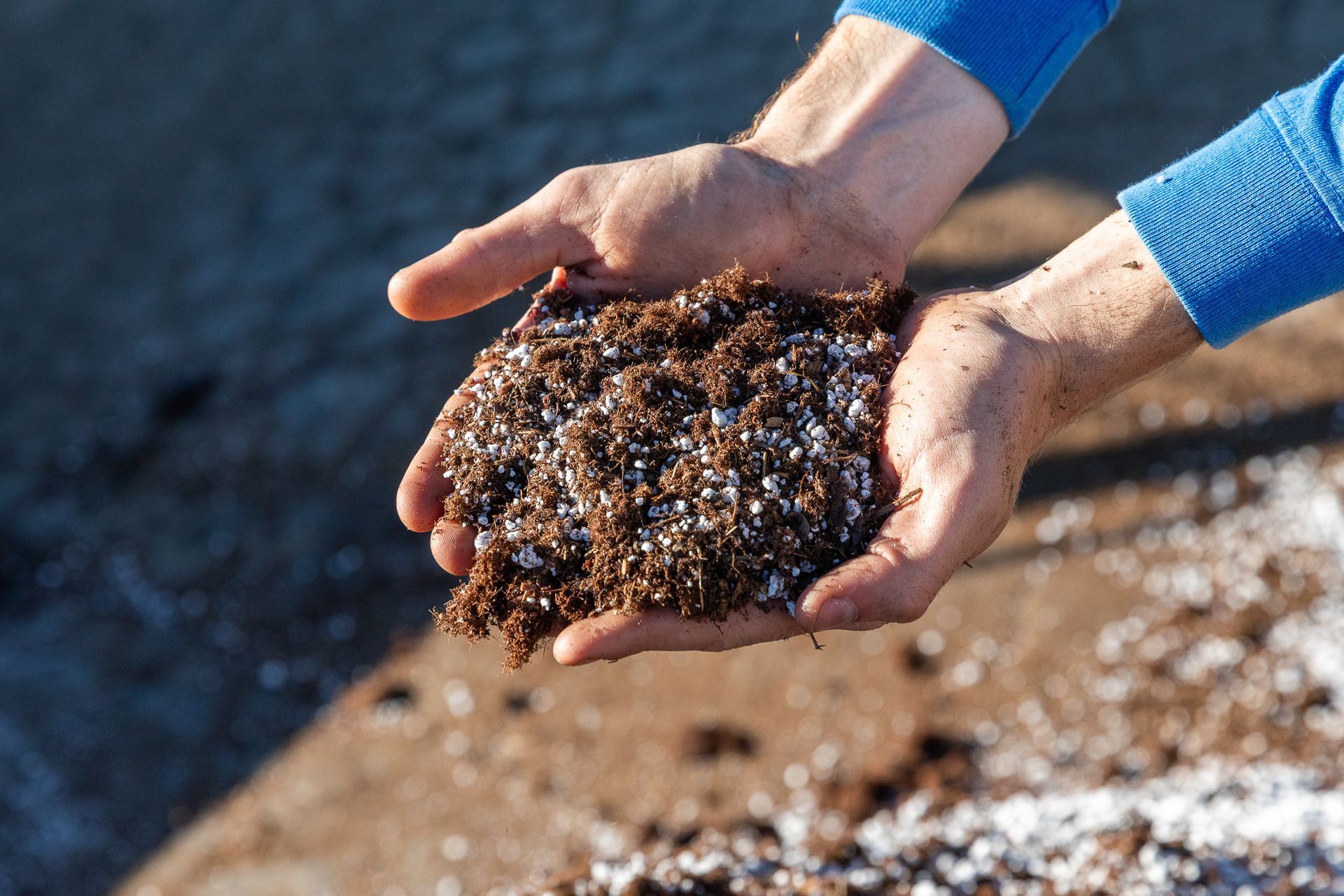
Adding high-quality compost and soil amendments can:
- Increase water retention
- Improve root development
- Reduce runoff
- Enhance nutrient availability
- Improve overall plant health
In many areas of North County San Diego, native soil contains a high percentage of clay or compacted material that can limit water penetration. Amending the soil before planting helps create a stronger foundation for long-term landscape success.
Choose Drought-Tolerant Plants
Selecting plants that naturally thrive in Southern California's climate is one of the easiest ways to reduce water consumption. Many drought-tolerant plants have adapted to long periods of dry weather and can maintain their beauty with minimal irrigation once established.
Popular drought-tolerant options include:
- California lilac
- Lavender
- Sage varieties
- Agave
- Aloe
- Manzanita
- Kangaroo paw
- Red yucca
- Toyon
- California buckwheat
Native plants are particularly beneficial because they have evolved to thrive in local growing conditions. They often require less water, fewer fertilizers, and less maintenance than non-native alternatives.
A thoughtfully designed drought-tolerant landscape can provide year-round color, texture, and visual interest while significantly reducing water use.
Mulch Is Your Best Friend
Many homeowners underestimate the impact mulch can have on water conservation.
Applying a layer of organic mulch around plants helps regulate soil temperature, reduce evaporation, and suppress weeds that compete for moisture. Mulch can also improve soil quality as it breaks down over time.
Benefits of mulch include:
- Reduced watering frequency
- Improved moisture retention
- Better soil structure
- Reduced weed growth
- Protection against extreme summer temperatures
For North County landscapes, maintaining two to four inches of mulch around planting areas can make a significant difference during the hottest months of the year.
Group Plants by Water Needs
A common landscaping mistake is placing plants with vastly different water requirements in the same irrigation zone.
For example, drought-tolerant shrubs may end up receiving too much water because they share a watering schedule with thirstier plants.
Hydrozoning—grouping plants with similar water needs together—helps maximize irrigation efficiency and prevent overwatering.
This strategy allows homeowners to provide exactly the amount of water each area needs without wasting resources.
Upgrade Your Irrigation System
Even the most drought-resistant landscape can waste water if the irrigation system is inefficient.
Older sprinkler systems often lose significant amounts of water through overspray, runoff, and evaporation.
Modern irrigation solutions offer much greater efficiency. Consider:
- Drip irrigation systems
- Smart irrigation controllers
- Weather-based timers
- Pressure-regulated sprinklers
- Soil moisture sensors
Drip irrigation is particularly effective because it delivers water directly to the root zone where plants need it most. This minimizes evaporation and reduces overall water consumption.
For many North County homeowners, upgrading irrigation systems can lead to noticeable reductions in monthly water bills.
Reduce Traditional Lawn Areas
Traditional turf grass is often one of the largest water consumers in residential landscapes.
While many homeowners still enjoy having some lawn space, reducing unnecessary turf areas can dramatically decrease water use.
Consider replacing sections of lawn with:
- Native plant gardens
- Decorative rock features
- Groundcovers
- Mulched planting beds
- Drought-tolerant shrubs
- Outdoor living spaces
Strategically reducing turf allows homeowners to maintain functionality while significantly improving water efficiency.
Improve Water Infiltration
During occasional rain events, many landscapes fail to capture and utilize available water effectively.
Compacted soil can cause rainwater to run off instead of soaking into the ground.
Improving infiltration helps maximize every drop of natural rainfall. Methods include:
- Adding compost to soil
- Aerating compacted areas
- Creating rain gardens
- Installing bioswales
- Using permeable hardscape materials
These techniques support healthier soil while reducing water waste and erosion.
Avoid Overwatering
Many homeowners are surprised to learn that overwatering is just as harmful as underwatering.
Excess water can lead to:
- Root rot
- Fungal diseases
- Nutrient loss
- Weak root systems
- Increased pest problems
Learning to recognize signs of plant stress can help prevent unnecessary watering.
Rather than following a fixed schedule year-round, adjust irrigation based on weather conditions, plant maturity, and seasonal needs.
Focus on Long-Term Sustainability
Drought-tolerant landscaping is not simply about surviving water restrictions. It is about creating a healthier, more resilient outdoor environment that performs well year after year.
By improving soil health, selecting climate-appropriate plants, upgrading irrigation systems, and reducing unnecessary water use, homeowners can enjoy beautiful landscapes while supporting responsible resource management.
In North County San Diego, where water conservation remains an ongoing priority, investing in soil quality and sustainable landscaping practices often delivers long-term benefits for both the environment and your property.
The most successful drought-tolerant landscapes start below the surface. Healthy, nutrient-rich soil provides the foundation that allows plants to thrive with less water, helping homeowners create outdoor spaces that are attractive, practical, and built for Southern California's unique climate.