The Benefits of Using Specialty Soil Blends for Trees, Palms, and Shrubs
Late spring is one of the most important planting windows of the year in Southern California. Soil temperatures are warming, irrigation is easier to manage, and new plantings have time to establish before peak summer heat arrives.
But one factor that often gets overlooked — even by experienced gardeners — is soil selection.
For trees, palms, and shrubs, the soil you plant in is just as important as the plant itself. That’s where specialty soil blends make a measurable difference.
At Great Soil, the focus is simple: matching the right soil structure to the long-term needs of the plant, not just filling a hole in the ground.
Why Standard Soil Often Isn’t Enough
In many landscaping projects, native or general-purpose soil is used by default. While this can work in some situations, it often lacks the structure and nutrient balance required for long-term plant health.
Trees, palms, and shrubs each have different root behaviors, drainage needs, and nutrient demands. When those needs aren’t met, you often see:
- Slow or stunted growth
- Poor root establishment
- Drainage problems (too wet or too dry)
- Increased transplant shock
- Long-term plant stress
Specialty soil blends are designed to reduce these risks by creating a more controlled growing environment from day one.
What Makes Specialty Soil Blends Different?
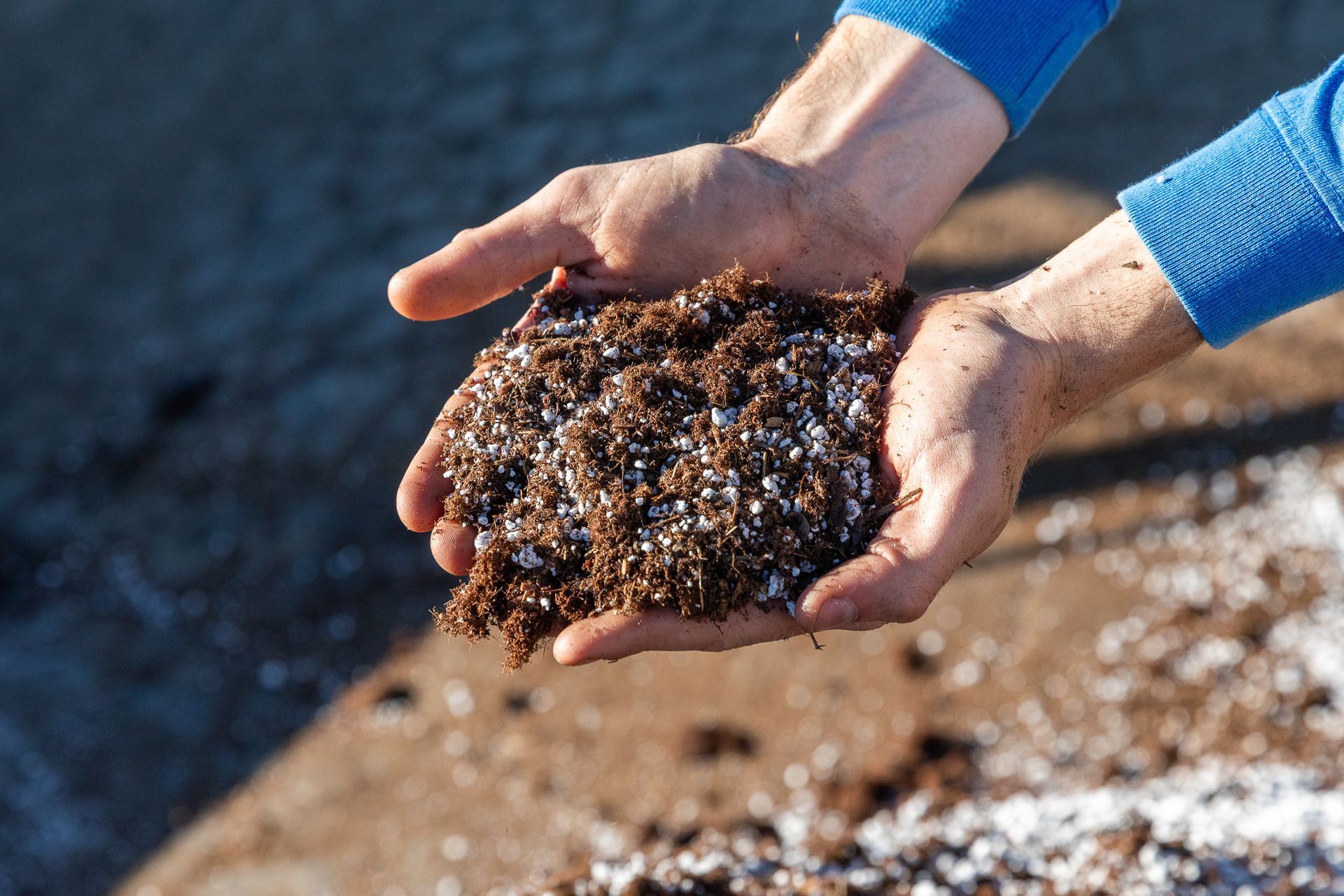
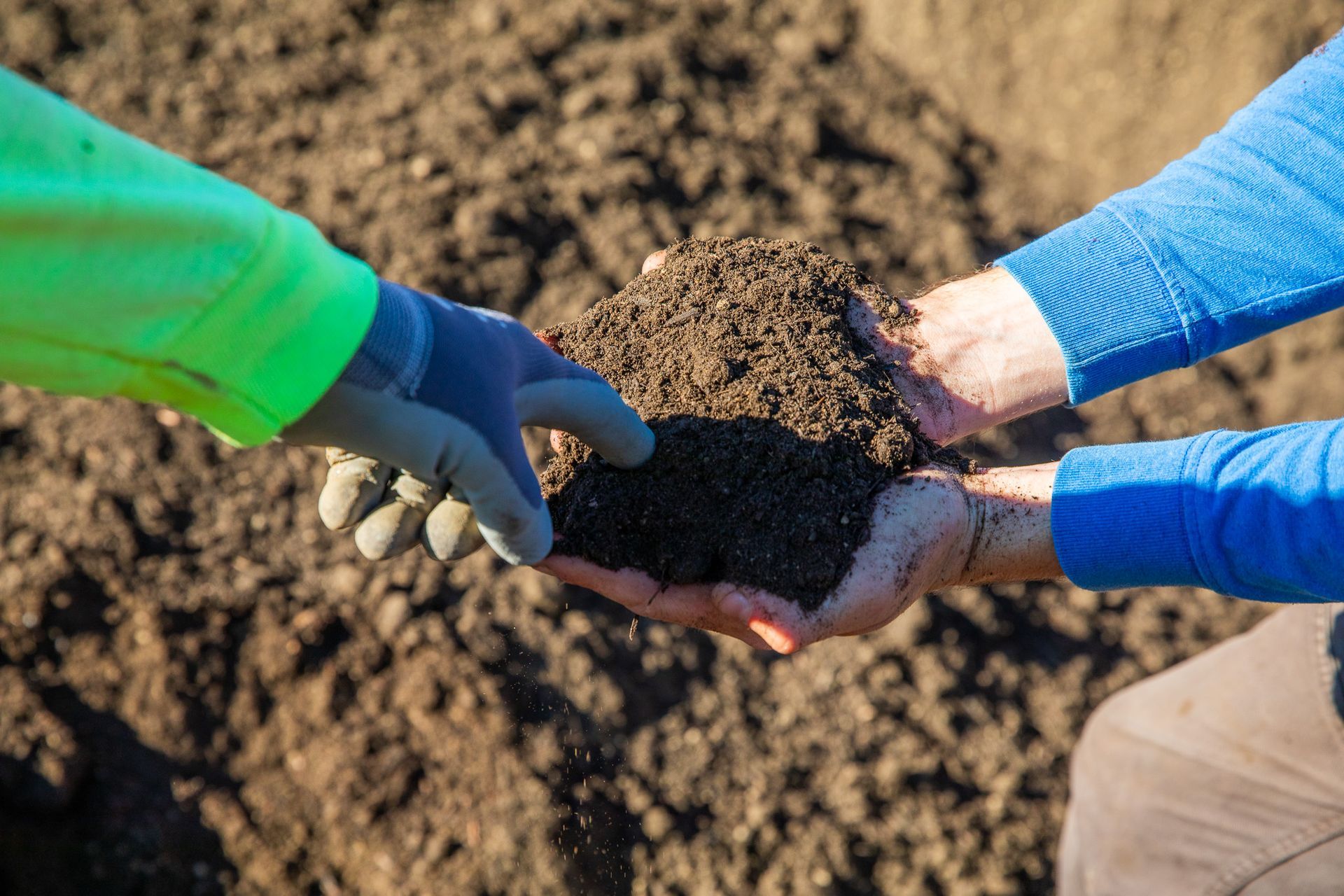
Specialty soil blends are engineered combinations of organic matter, minerals, and structural components designed for specific plant types.
Instead of a one-size-fits-all approach, these blends are tailored for performance.
Key advantages include:
- Improved drainage and aeration
- Better moisture retention balance
- Enhanced root penetration
- More consistent nutrient availability
- Reduced compaction over time
For landscaping professionals, this means more predictable results. For homeowners, it means healthier plants with fewer maintenance issues.
Palm Soil Mix: Supporting Strong, Stable Growth
Palms have unique structural and nutritional needs compared to most landscape plants. Their root systems prefer well-aerated soil that drains efficiently while still retaining enough moisture to support steady growth.
A properly designed palm soil mix helps:
- Prevent root rot caused by excess moisture
- Support upright trunk development and stability
- Encourage healthy nutrient uptake in sandy or compact soils
- Reduce transplant shock during installation
In regions like San Diego, where soil conditions can vary significantly from coastal to inland areas, using a specialized palm mix helps create consistency across different planting environments.
Tree Planting Soil: Building a Strong Foundation
Trees are long-term landscape investments. Their early root development determines how well they perform for decades.
High-quality tree planting soil is designed to:
- Encourage deep, stable root growth
- Improve oxygen flow to roots
- Balance moisture retention with drainage
- Reduce compaction in planting holes
- Support early establishment in warm climates
This is especially important in late spring plantings, when rising temperatures increase stress on newly installed trees.
A strong soil foundation helps trees transition more smoothly into summer conditions and reduces the risk of transplant failure.
Specialty Soil Blends for Shrubs and Mixed Landscapes
Shrubs often sit between trees and smaller plants in terms of root depth and water needs. They benefit from soil that is both supportive and adaptable.
Well-designed specialty soil blends for shrubs help:
- Maintain consistent moisture without oversaturation
- Improve nutrient availability during active growth cycles
- Support dense root systems for long-term structure
- Enhance overall landscape uniformity
For mixed landscape projects, using the right soil blend across different plant types ensures more consistent performance and appearance over time.
Why Late Spring Is the Ideal Planting Window
In Southern California landscaping, timing plays a major role in plant success.
Late spring offers several advantages:
- Soil temperatures are optimal for root growth
- Plants have time to establish before extreme summer heat
- Irrigation schedules are easier to manage
- Reduced risk of cold stress compared to early spring
However, this window also increases demand for proper soil preparation. As temperatures rise, newly planted trees and palms are more dependent on soil quality to regulate moisture and support early root development.
The Role of Soil in San Diego Landscaping Success
In regions like San Diego, soil conditions can vary widely from one property to another. Sandy soils, clay-heavy areas, and compacted urban soils all present different challenges.
That’s why San Diego landscaping projects often benefit from soil customization rather than standard fill.
Specialty soil blends help bridge the gap between existing ground conditions and the specific needs of the plant, creating a more stable growing environment regardless of location.
Better Soil Leads to Better Long-Term Results
While irrigation, pruning, and fertilization all matter, soil is the foundation of every successful landscape.
Using the right blend at planting time:
- Reduces long-term maintenance issues
- Improves plant survival rates
- Supports healthier, more resilient growth
- Increases the overall lifespan of landscape installations
For both homeowners and professionals, investing in the right soil at the beginning is one of the most cost-effective decisions in any planting project.
A Strong Start Makes All the Difference
Trees, palms, and shrubs are long-term investments. The conditions they are planted in directly impact how they perform for years to come.
Specialty soil blends aren’t just a detail — they are the foundation of successful planting.
For landscapers and homeowners planning late spring installations, choosing the right soil mix is one of the most important steps in ensuring strong, sustainable growth from day one.